

Your cart is empty
Looks like you haven't made your choice yet
bitcoin casino software are no longer a niche but a mainstream option for online gamblers. bitcoin casino software provider has proven to be a game-changer in payment processing.
See also:
bitcoin casino software get fundamentally reshaped the digital gambling landscape by integrating blockchain technology flat into gameplay and transactions. By 2026, these platforms offer provably fair gaming, instant withdrawals, and enhanced privacy, appealing to a new generation of tech-savvy players. For those exploring this dynamic sector, understanding the role of bitcoin casino software provider is crucial for navigating the evolving ecosystem of digital assets and decentralized betting options. Unlike traditional online casinos that rely on centralized servers and opaque random keep down generators, blockchain-based gambling platforms record every bet and outcome on a public account book, ensuring transparency and trust. Players can confirm the fairness of each title through cryptographic proofs, eliminating concerns about rigged outcomes. Additionally, the use of smart contracts automates payouts, reducing the need for manual processing and minimizing delays. This technological shift has also introduced new financial models, such as tokenized rewards and liquidity pools, which allow users to earn inactive income through staking or providing liquidity to betting markets. The anonymity afforded by cryptocurrencies attracts users in jurisdictions with strict gambling regulations, though it also raises compliance challenges for operators. As regulatory frameworks evolve, platforms increasingly implement KYC procedures while maintaining pseudonymity. The integrating of non-fungible tokens (NFTs) adds another layer, enabling unique in-game assets that can be traded across platforms. With the rise of decentralized autonomous organizations (DAOs), some gambling sites now enable token holders to voting on house rules or gain dispersion. These innovations have spurred rivalry, driving down fees and improving user experience. However, volatility in cryptocurrency prices remains a risk, prompting some platforms to present stablecoin options. The time to come of bitcoin casino software likely involves cross-chain interoperability, allowing seamless betting across different blockchain networks. For investors, identifying projects with strong community governance and sustainable tokenomics is key. Meanwhile, bitcoin casino software mobile continues to serve as a gateway for mainstream adoption, bridging traditional fiat systems with decentralized ecosystems. As the industry matures, collaborations with esports leagues and virtual reality developers could further expand the marketplace.
Crypto casinos in the UK support a wide array of digital currencies, with Bitcoin (BTC), Ethereum (ETH), Litecoin (LTC), and Tether (USDT) being the most plebeian. Many platforms also accept emerging altcoins like Ripple (XRP) and Dogecoin (DOGE). To deposit, players need a personal cryptocurrency wallet—either a ironware wallet like Ledger or a software pocketbook such as MetaMask or Trust Wallet. Transactions happen via blockchain networks: for instance, Bitcoin uses its own blockchain, while Ethereum-based tokens rely on the ERC-20 standard. This decentralised approach means funds make a motion directly from the player’s wallet to the casino’s address, bypassing traditional banking intermediaries. Accordingly, deposits are often credited within transactions, though confirmation times vary by web—Bitcoin typically takes 10–30 minutes, whereas Litecoin or Solana can settle in seconds. Withdrawals follow the same physical process, with the casino sending crypto directly to the player’s wallet. This peer-to-peer mechanism not only accelerates transactions but also reduces reliance on banks, which can be particularly advantageous for UK players seeking faster get to to their winnings.
casino reviews 2026 — everything to know
One of the main attractions of crypto casinos is the enhanced privacy they provide. Unlike traditional online casinos that demand extensive personal details and bank account information, crypto sites often function with just now an email address and a billfold ID. Transactions are recorded on public blockchains, but they are pseudonymous—import the wallet addresses are not directly linked to a player’s real-world identity. However, this anonymity is not absolute; UK-licensed crypto casinos must still comply with anti-money laundering (AML) regulations, which may affect verifying identity for large withdrawals or suspicious activity. Players should also be aware that blockchain analysis can sometimes trace transactions rear to an individual, especially if they use centralised exchanges to purchase crypto. For heightened privacy, some players opt for privacy-focused coins the like Monero (XMR) or use mixers, though these may not be recognized by all casinos. Ultimately, while crypto provides a level of anonymity, it is not a guarantee of complete invisibility, and players should understand the balance between privacy and regulatory compliance.
The speed of blockchain payments is a defining advantage of crypto casinos. Traditional banking methods such as bank transfers or credit card deposits can accept several days to process, especially for withdrawals. In direct contrast, cryptocurrency transactions are typically processed within minutes, thanks to the decentralised nature of blockchain networks. Bitcoin transactions, for example, are confirmed in about 10–30 minutes, while Ethereum’s network handles transfers in around 15 seconds. Newer blockchains like Solana or Polygon can achieve finality in under a secondment, making them apotheosis for instant gaming deposits. This efficiency is particularly beneficial for UK players who require to start playing without delay or enter their winnings quickly. Additionally, because there are no intermediary banks, transaction fees are often lower than traditional payment methods, though they can spindle during web congestion. Some casinos also offer zero-fee deposits for certain cryptocurrencies.
Players looking for bitcoin casino software should authenticate the casino’s license first.
Crypto casinos in the UK support a wide array of digital currencies, with Bitcoin (BTC), Ethereum (ETH), Litecoin (LTC), and Tether (USDT) being the most common. Many platforms also accept emerging altcoins like Rippling (XRP) and Dogecoin (DOGE). To deposit, players need a personal cryptocurrency wallet—either a hardware wallet like Ledger or a software wallet such as MetaMask or Trust Wallet. Transactions happen via blockchain networks: for instance, Bitcoin uses its own blockchain, while Ethereum-based tokens rely on the ERC-20 standard. This decentralised draw close means funds move directly from the player’s wallet to the casino’s address, bypassing traditional banking intermediaries. Consequently, deposits are often credited within transactions, though check times vary by network—Bitcoin typically takes 10–30 minutes, whereas Litecoin or Solana can settle in seconds. Withdrawals follow the same process, with the casino sending crypto directly to the player’s wallet. This peer-to-peer mechanism not only accelerates transactions but also reduces reliance on banks, which can be specially advantageous for UK players seeking faster access to their win.
One of the main attractions of crypto casinos is the enhanced privacy they give. Unlike traditional online casinos that require extensive personal details and bank account information, crypto sites often function with just an email address and a wallet ID. Transactions are recorded on public blockchains, but they are pseudonymous—meaning the notecase addresses are not straight linked to a user’s real-world identity. But, this anonymity is not absolute; UK-licensed crypto casinos must still comply with anti-money laundering (AML) regulations, which may involve verifying identity for large withdrawals or suspicious activity. Players should also be aware that blockchain analysis can sometimes trace transactions back up to an individual, especially if they use centralised exchanges to purchase crypto. For heightened privacy, some players opt for privacy-focused coins like Monero (XMR) or use mixers, though these may not be accepted by all casinos. Ultimately, while crypto provides a point of anonymity, it is not a promise of complete invisibility, and players should infer the balance between privacy and regulatory compliance.
The fastness of blockchain payments is a defining advantage of crypto casinos. Traditional banking methods such as bank transfers or credit card deposits can take several days to process, especially for withdrawals. In direct contrast, cryptocurrency transactions are typically processed within minutes, thanks to the decentralised nature of blockchain networks. Bitcoin transactions, for example, are confirmed in virtually 10–30 minutes, while Ethereum’s network handles transfers in around 15 seconds. Newer blockchains like Solana or Polygon can achieve decisiveness in under a endorse, making them apotheosis for instant gaming deposits. This efficiency is particularly beneficial for UK players who want to launch playing without hold up or access their winnings chop-chop. Additionally, because there are no intermediary banks, transaction fees are often lower than traditional payment methods, though they can spike during electronic network congestion. Some casinos also offer zero-fee deposits for certain cryptocurrencies. Overall, the speed and cost-effectiveness of blockchain payments enhance the user experience, allowing players to focus on the gaming rather than waiting for funds to clear.
While crypto casinos operate with digital currencies, they are not free from regulatory lapse in the UK. To legally supply services to British players, a casino must hold up a licence from the UK Gambling Commission (UKGC). This ensures the weapons platform adheres to strict standards for fairness, player protection, and anti-money laundering. Security is further bolstered by the use of blockchain technology, which provides an immutable account book of all transactions, reducing the risk of humbug.
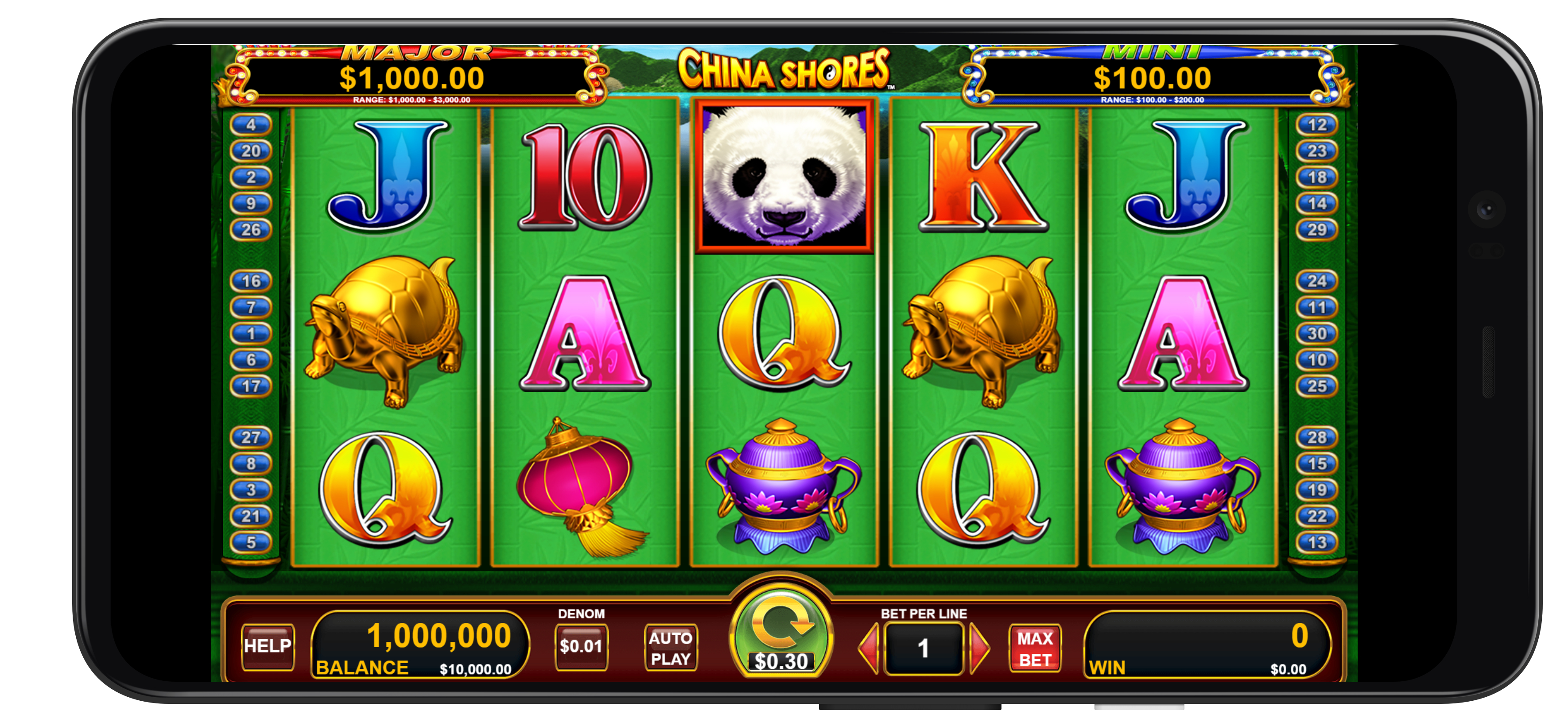
Crypto casinos in the UK support a wide-cut array of digital currencies, with Bitcoin (BTC), Ethereum (ETH), Litecoin (LTC), and Tether (USDT) being the most plebeian. Many platforms also accept emerging altcoins like Babble (XRP) and Dogecoin (DOGE). To deposit, players want a personal cryptocurrency wallet—either a hardware notecase like Ledger or a software wallet such as MetaMask or Trust Wallet. Transactions fall out via blockchain networks: for instance, Bitcoin uses its own blockchain, while Ethereum-based tokens rely on the ERC-20 standard. This decentralised come on means cash in hand move directly from the player’s wallet to the casino’s accost, bypassing traditional banking intermediaries. Therefore, deposits are often credited within minutes, though confirmation times vary by network—Bitcoin typically takes 10–30 minutes, whereas Litecoin or Solana can settle in seconds. Withdrawals follow the same process, with the casino sending crypto directly to the gambler’s billfold. This peer-to-peer mechanism not only if accelerates transactions but also reduces reliance on banks, which can be in particular favorable for UK players seeking faster enter to their winnings.
One of the main attractions of crypto casinos is the enhanced privacy they offer. Unlike traditional online casinos that require extensive personal details and bank account information, crypto sites often office with just an email address and a wallet ID. Transactions are recorded on public blockchains, but they are pseudonymous—meaning the wallet addresses are not directly linked to a customer’s real-world identity. However, this anonymity is not out-and-out; UK-licensed crypto casinos must still comply with anti-money laundering (AML) regulations, which may involve verifying personal identity for large withdrawals or suspicious activity. Players should also be aware that blockchain analysis can sometimes trace transactions plump for to an individual, especially if they use centralised exchanges to purchase crypto. For heightened privacy, some players opt for privacy-focused coins like Monero (XMR) or make use of mixers, though these may not be accepted by all casinos. Ultimately, while crypto provides a degree of anonymity, it is not a guarantee of complete invisibility, and players should see the balance between concealment and regulatory compliance.
The speed of blockchain payments is a defining advantage of crypto casinos. Traditional banking methods such as bank transfers or credit card deposits can use up several days to process, especially for withdrawals. In contrast, cryptocurrency transactions are typically processed within minutes, thanks to the decentralised nature of blockchain networks. Bitcoin transactions, for instance, are confirmed in almost 10–30 minutes, while Ethereum’s network handles transfers in around 15 seconds. Newer blockchains ilk Solana or Polygon can reach finality in under a second, making them ideal for instant gaming deposits. This efficiency is particularly beneficial for UK players who require to start playing without detain or access their winnings quickly. Additionally, because there are no intermediary banks, dealing fees are often lower than traditional payment methods, though they can spike during network congestion. Some casinos also offer zero-fee deposits for certain cryptocurrencies. Overall, the speed and cost-effectiveness of blockchain payments raise the user experience, allowing players to focus on the gaming rather than waiting for monetary resource to clear.
While crypto casinos operate with digital currencies, they are not exempt from regulatory oversight in the UK. To de jure supply services to British players, a casino must hold a licence from the UK Gambling Commission (UKGC). This ensures the political program adheres to strict standards for fairness, player protection, and anti-money laundering. Security is further bolstered by the make use of of blockchain technology, which provides an immutable ledger of all transactions, reducing the risk of put-on.
| Name | Biggest win | RTP | Year | Provider |
|---|---|---|---|---|
| Mystic Fortunes | £187,250 | 96.2% | 2022 | NetEnt |
| Mega Spin Saga | £892,500 | 94.5% | 2019 | Microgaming |
| Lucky Leprechaun’s Loot | £134,800 | 92.8% | 2021 | NetEnt |
| Dragon’s Hoard | £534,000 | 95.8% | 2020 | Play’n GO |
| Thunderstruck Legacy | £1,580,000 | 96.8% | 2025 | Microgaming |
Cryptocurrency casinos have digital currencies like Bitcoin, Ethereum, and Litecoin for deposits and withdrawals, offering faster transactions and greater anonymity compared to fiat-based casinos.
Most crypto casinos support Bitcoin, Ethereum, Litecoin, Bitcoin Cash, and stablecoins like USDT, with some also accepting altcoins or privacy coins.
Blockchain payments process instantly or within minutes, bypassing banks, and are secured by cryptographic verification, reducing fraud risk.
While crypto casinos often require only an email for enrolment, withdrawals ease depend on wallet addresses; full anonymity may be limited by licensing and KYC policies.
Reputable crypto casinos hold licenses from jurisdictions like UK Gambling Commission (UKGC) and use SSL encryption, provably fair algorithms, and regular audits to ensure security.
Gambling is strictly for adults aged 18 and over. All UK-licensed casinos are regulated by the Gambling Commission (UKGC) and must offer access to GAMSTOP, the national self-exclusion scheme. If you need support, GamCare and BeGambleAware provide free advice, and the National Gambling Helpline is usable 24/7 on 0808 8020 133. Always mark deposit and time limits before you play, and remember that gambling should be for entertainment only—never chase losses. Play responsibly.
smooth bingo — what to know 2026 | smooth casino